The Maratha Timeline
The Coronation
Chhatrapati Shivaji Maharaj was crowned as the sovereign ruler of the Maratha Kingdom at Raigad Fort, establishing Hindavi Swarajya (Self-rule of Hindu people). The coronation ceremony was performed with great splendor according to Vedic rituals.
Passing of a Legend
The great Maratha ruler Chhatrapati Shivaji Maharaj passed away at Raigad Fort. His death created a temporary vacuum in the Maratha leadership, but his legacy continued to inspire generations of Maratha warriors and administrators.
Rise of the Peshwas
After the death of Aurangzeb, the Maratha Empire expanded rapidly under the leadership of Peshwa Bajirao I. The Maratha influence spread across the Indian subcontinent, from Delhi in the north to Thanjavur in the south.
The Third Battle of Panipat
A historic battle that halted the northward expansion of the Maratha Empire. Though technically a defeat, the Marathas displayed extraordinary courage and resilience against Ahmad Shah Durrani's forces.
End of an Era
The Third Anglo-Maratha War concluded, marking the end of the Maratha Empire as a significant political power. However, the Maratha spirit of resistance and administration continued to influence Indian politics and culture.
Great Maratha Rulers
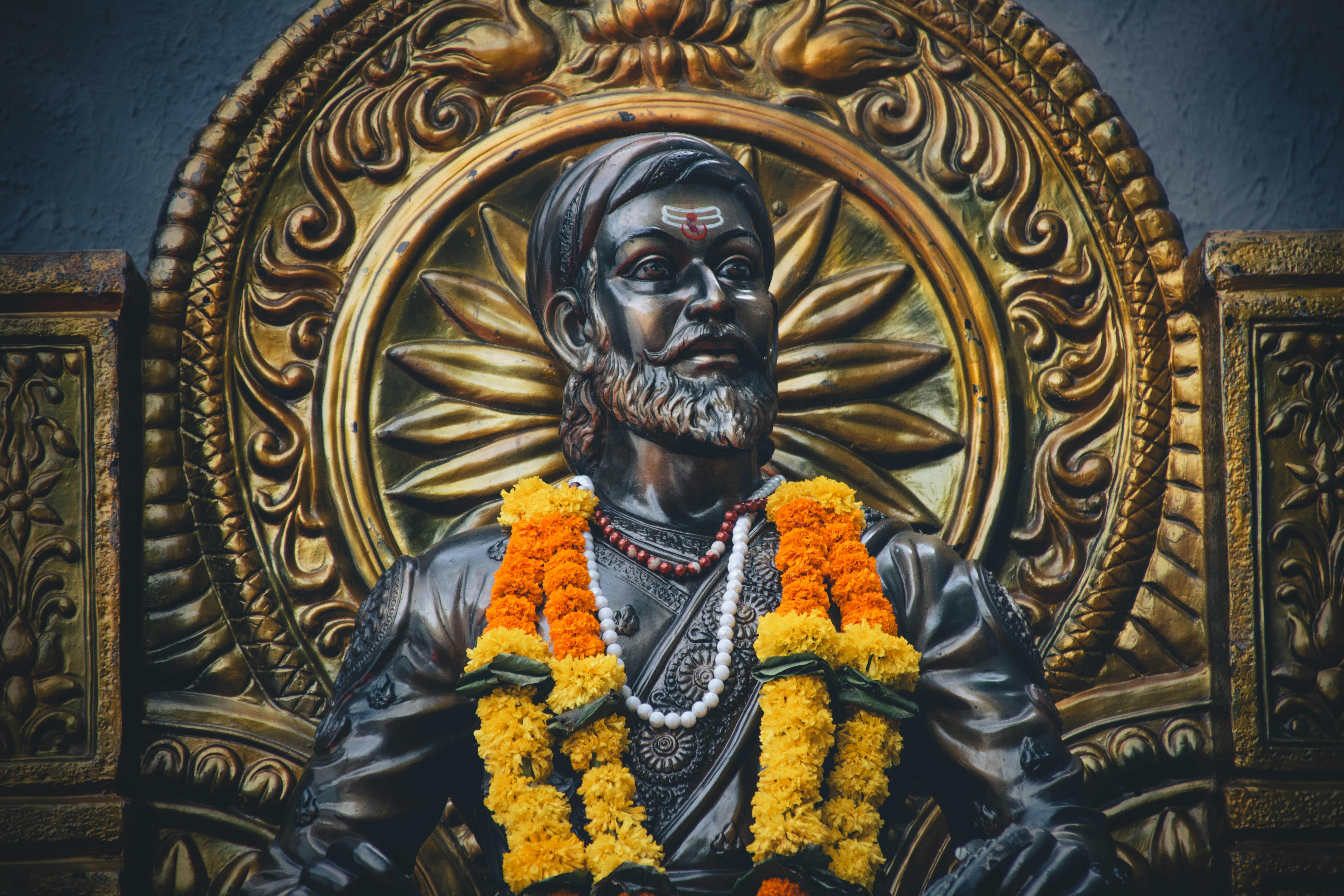
Chhatrapati Shivaji Maharaj
Reign: 1674-1680
- Founded the Maratha Empire
- Established naval forces
- Implemented progressive administration
- Built network of strategic forts
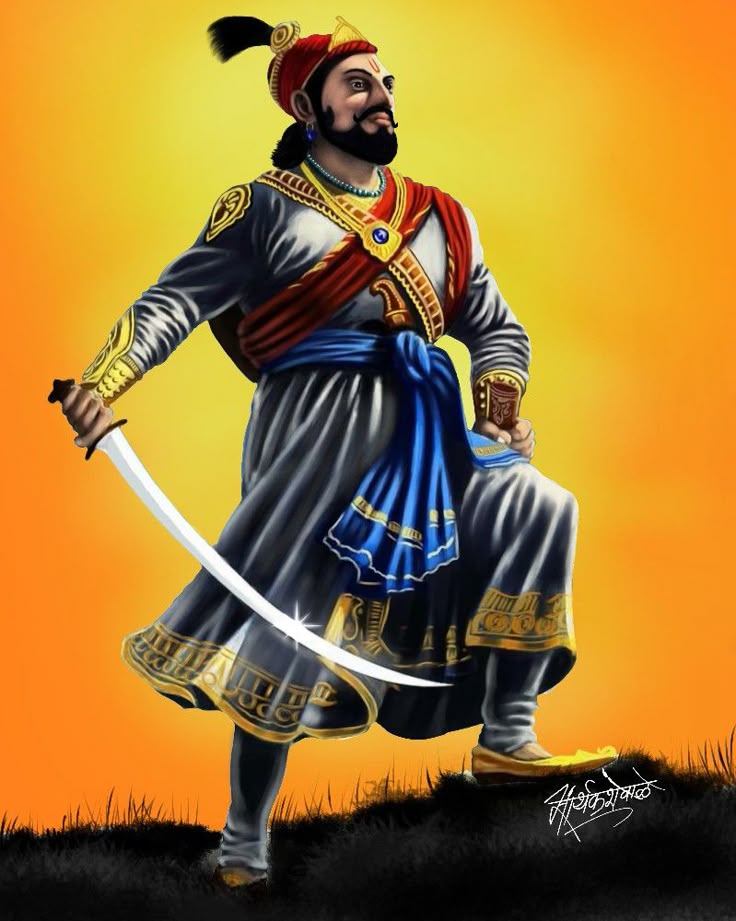
Chhatrapati Sambhaji Maharaj
Reign: 1681-1689
- Defended the empire against Mughals
- Continued expansion policies
- Promoted Marathi literature
- Martyr for protecting Swarajya
Peshwa Bajirao I
Reign: 1720-1740
- Never lost a battle in his career
- Expanded Maratha influence to Delhi
- Brilliant military strategist
- Established Maratha supremacy